Oct 9, 2026Guides
Day and Night Privacy with Outdoor Roller Blinds: What the Fabric Shows
Privacy after dark with outdoor roller blinds: how openness rates from 1% to 30% show silhouettes at night, and which fabric keeps the view by day.
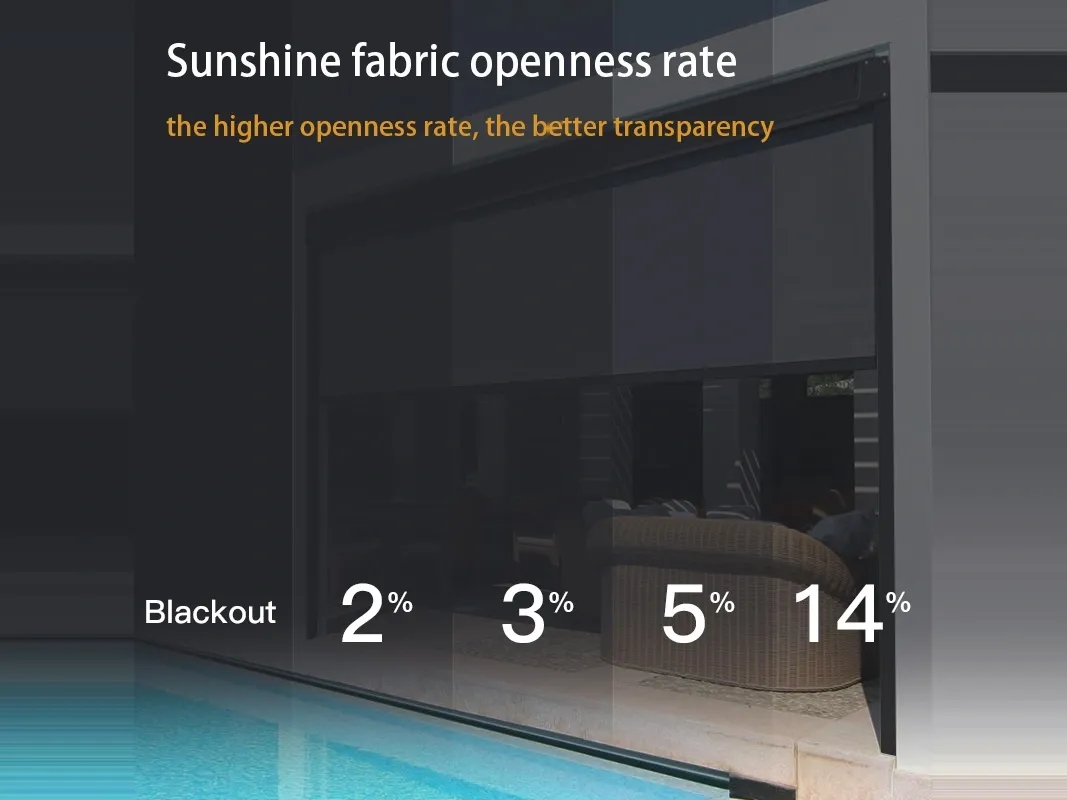
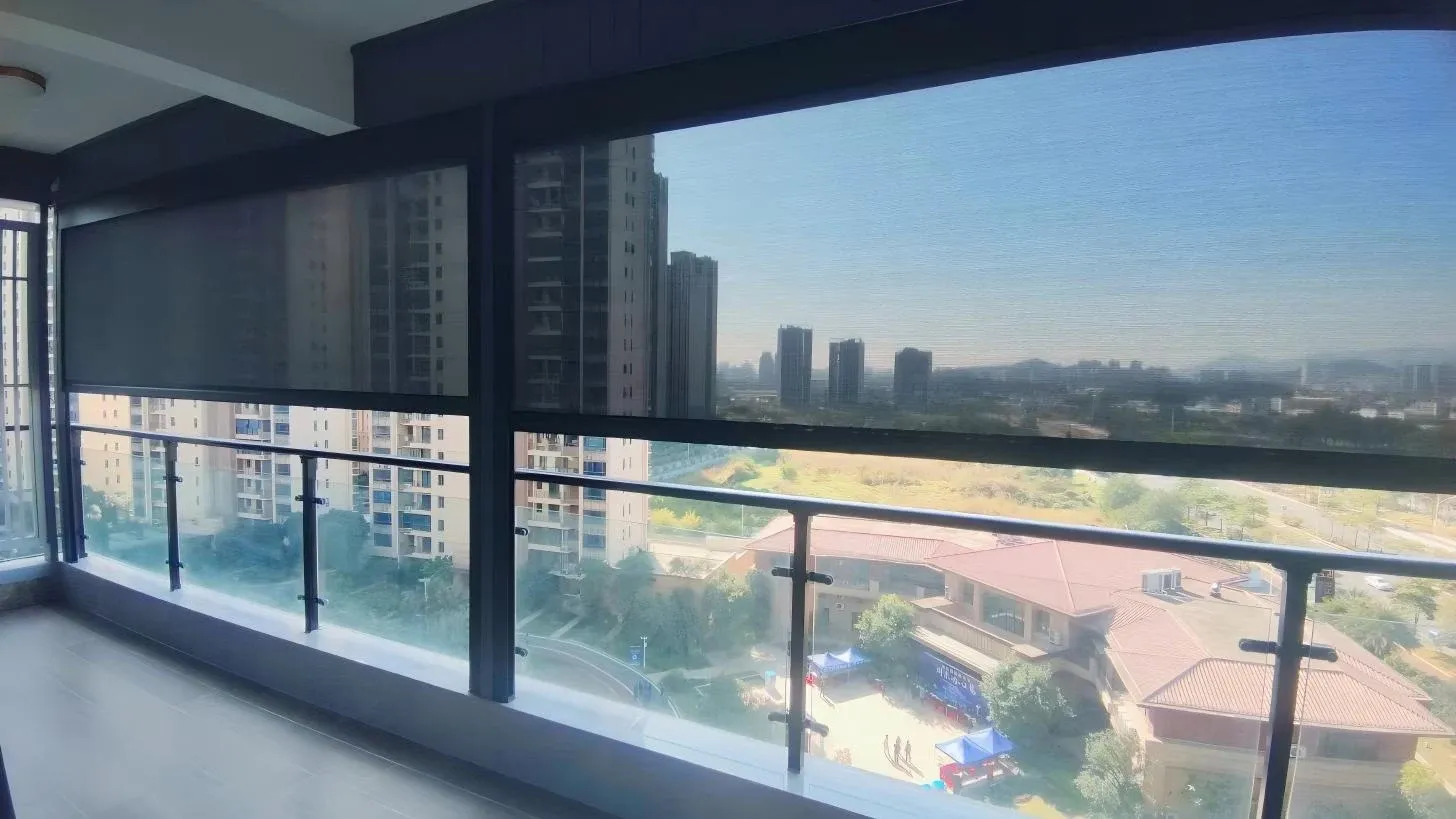
Privacy on an outdoor roller blind is a light-contrast question, not a fabric-thickness question. In daylight the brighter side is outdoors, so an occupant can see out while people outside cannot clearly see in. Once the interior lights are on, that contrast reverses and silhouettes become visible through any perforated fabric. The openness rate sets the daytime view and glare; after dark, every perforated grade follows one rule.
Why Privacy Works Differently After Dark
Screen fabrics work on relative light contrast. During the day the outside is much brighter than indoors, so you can see out while people outside cannot clearly see in. At night, with interior lights on, that contrast reverses and silhouettes become visible through any perforated fabric, from 1% to 30%. Only a blackout fabric (0% openness) gives full two-way privacy after dark.
Nothing in the weave changes between those two moments. The fabric that cuts glare at midday still cuts glare once the lights are on; what changes is which side of the blind is the bright one. While the interior is the bright side, movement inside is readable from outside as an outline, whatever the grade.
For distributors and contractors, this is a point that comes up often in residential conversations. A balcony, a patio, a terrace, a garden, an outdoor dining area at a restaurant or a resort — the setting does not alter the mechanism. Privacy judged from a daytime demonstration, or from a photograph taken in daylight, does not describe how the same fabric behaves once the interior lights are on. Settling the night-time expectation before the order is part of specifying the job properly, and it protects both the dealer and the end user from a conversation that is much harder to have after installation.
The sightline question is also separate from how the blind is built. What the fabric does in daylight and after dark is set out in the openness rate guide; how a zipper-guided blind is put together is covered in What Is a Zip-Track Windproof Roller Blind?.
What Each Grade Shows at Night
Every perforated grade shows silhouettes once the interior is the brighter side. What differs between the grades is the daytime result — glare, daylight, and how much of the view stays with the occupant. The descriptions below follow the wording used for the range, with the night rule noted against each one.
- 0% — A fully closed composite weave that blocks all light and both sightlines. Total privacy, day and night.
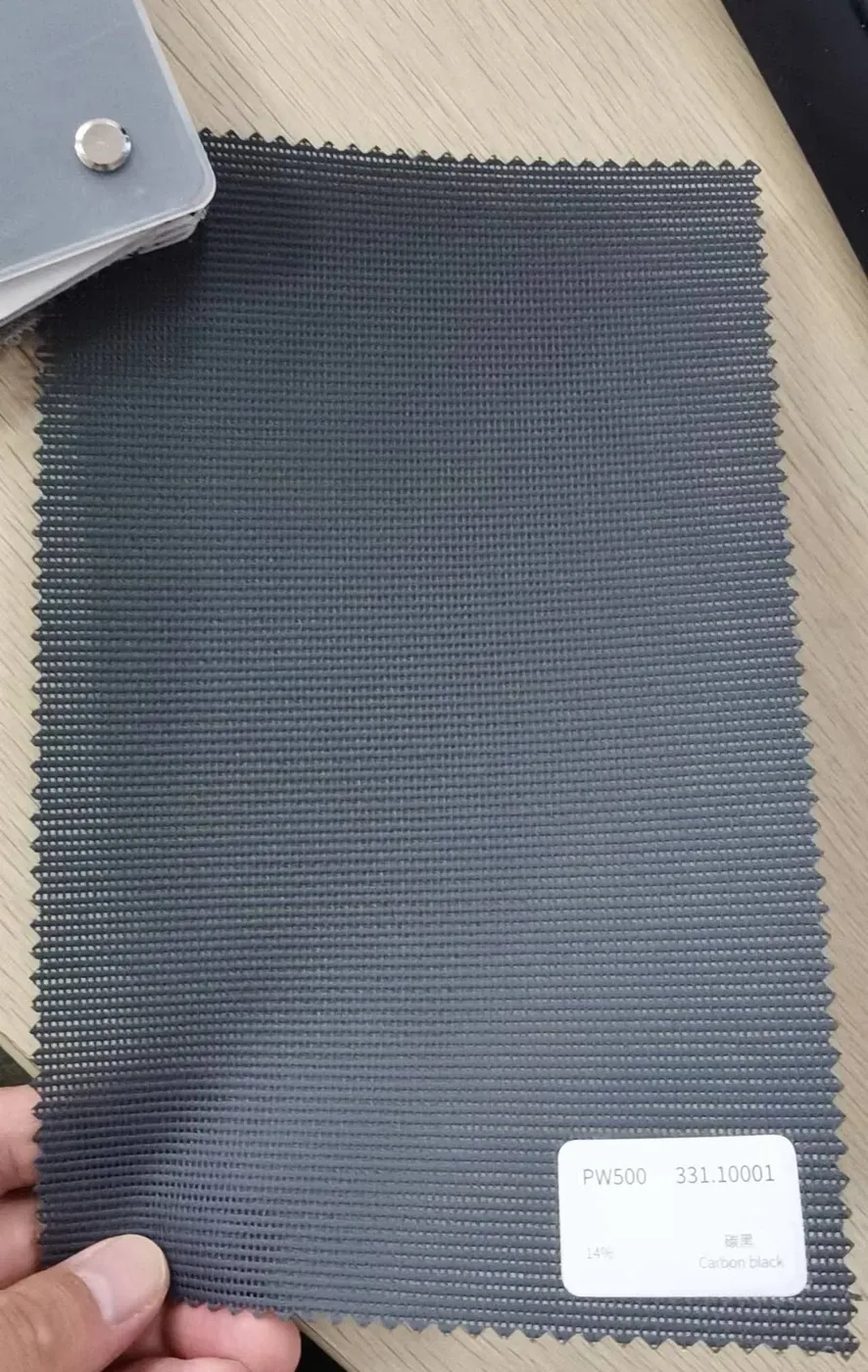
- 1% — The densest screen weave here — almost all direct glare is cut, with only faint daylight and minimal view out. The grade is intended for elevations that take hard low-angle sun. Night: silhouettes while the interior is lit.
- 3% — Filters strong sun and blocks a clear view in from outside during the day, while an outline of the outside stays visible to you. At 2% and 3% a faint outline of the outside is visible, with glare strongly cut and daytime privacy kept. Night: silhouettes while the interior is lit.
- 5% — The most widely specified grade: a clearer view out, effective glare reduction and comfortable ambient daylight during the day. Night: silhouettes while the interior is lit.
- 10% — Noticeably sharper transparency and a brighter interior, for covered dining areas and shaded elevations. Night: silhouettes while the interior is lit.
- 20% — Minimal optical interference with the view while still cutting direct solar heat; interior silhouettes become visible from outside when lit at night.
- 30% — Keeps sightlines close to open air while still slowing wind and shading the opening. Night: silhouettes while the interior is lit.
The 20% description spells the night effect out; the same rule applies across the perforated grades. Read the grades as a daytime ladder: 1% gives the least view out and the strongest daytime screening among the perforated options, and 30% sits closest to open air. After dark the ladder flattens, and the 0% grade is the step that reads differently, because it is a blackout fabric rather than a perforated one. The openness rate guide carries all seven positions, and the site has test videos at 0%, 1%, 3%, 5%, 10%, 20% and 30%. For what the fabric is stated to do beyond sightlines, the features page is the reference.
Blackout Fabric: Full Privacy, Day and Night
The 0% grade carries the range's full-privacy statement: "A fully closed composite weave that blocks all light and both sightlines", summarised as "Total privacy, day and night". It is the openness rate here that closes the sightline in both directions, and the one that changes what happens after dark: "Only a blackout fabric (0% openness) gives full two-way privacy after dark."
Where an opening needs a daytime screen as well as after-dark privacy, the range also offers a double layer system. "A double layer system combining blackout and screen fabric does the same in one opening."

For every grade above 0%, the position described earlier in this article holds: the fabric screens the inward view during the day, and once the interior lights are on, people outside may read silhouettes through it. Putting that limit into the specification keeps the delivered result and the expectation aligned — for the installer, and for the end user who will live with the blind.
Picking a Grade for Balconies and Terraces
Treat the grade as a daytime decision with a night-time footnote. It decides glare, daylight and how much of the view the occupant keeps; above 0%, it does not decide after-dark sightlines.
"Choose 3% where the priority is cutting solar heat and glare while keeping strong daytime privacy, typically on exposed elevations." An unshaded west-facing elevation is the typical case, and 3% is one of the two grades suggested for very exposed or coastal settings, where "3% or 5% holds up better".
"Choose 5% for all-round use." For outdoor living areas, "5% and 10% are the most common choices", and on balconies and patios "5% and 10% are the usual balanced choices".
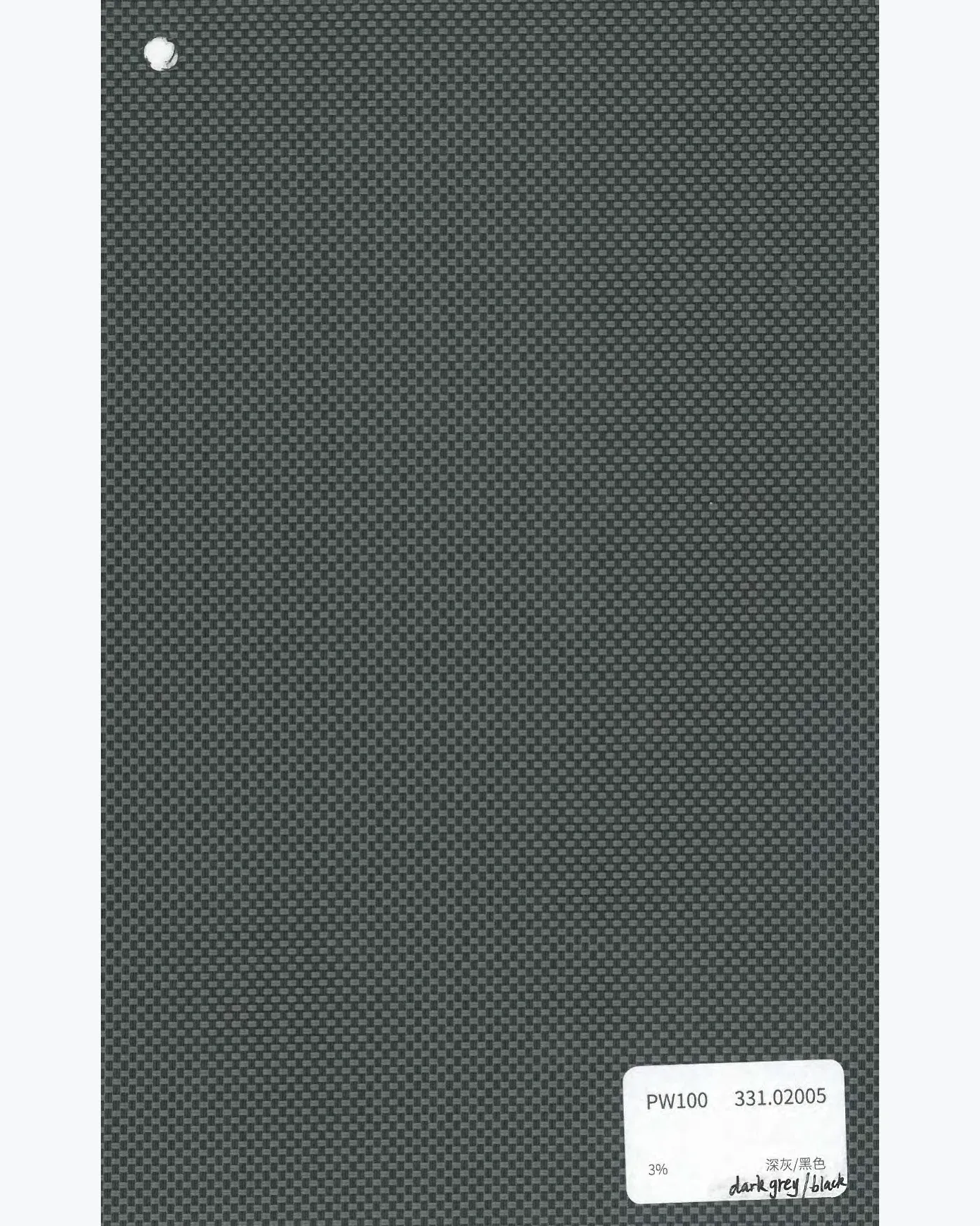
Where the view is the priority, the guide points to the open end of the range: "Openings where the view matters most can use 14% or 30%". At 30% the fabric "keeps sightlines close to open air while still slowing wind and shading the opening" — more view, and less daytime screening.
The two most specified grades differ in daylight rather than at night. A 3% fabric blocks more solar glare and screens the inward view more strongly during the day, while a 5% fabric gives a noticeably clearer view out and a brighter interior. That difference matters at midday; after dark, both behave the same way.
Privacy FAQs
Can people see in at night?
Yes, in silhouette form, when the interior is lit. "At night, with interior lights on, that contrast reverses and silhouettes become visible through any perforated fabric, from 1% to 30%." The outside scene is dark, the room is bright, and the weave reads as an outline of whatever moves behind it. How readable a shape is depends on how bright the interior is at that moment, but the effect does not stop at a particular grade between 1% and 30%; across the perforated range, no openness rate behaves like blackout.
Does 3% give more privacy than 5%?
During the day, yes: "A 3% fabric blocks more solar glare and screens the inward view more strongly during the day, while a 5% fabric gives a noticeably clearer view out and a brighter interior." After dark, no — both are perforated weaves, and both sit under the same silhouette rule once interior lights are on. So where the daytime inward screen is the priority, 3% is the stronger choice; where the view out matters more, 5% is the usual one. Neither is a night-time privacy upgrade over the other.
Is blackout the only full-privacy option?
In this range, two routes reach it. The first is the 0% blackout fabric itself, the grade that closes the sightline in both directions after dark. The second is a double layer system: "A double layer system combining blackout and screen fabric does the same in one opening."
Which grade keeps the most view?
The open grades do both at once. At 20% the fabric gives "minimal optical interference with the view while still cutting direct solar heat", and at 30% it "keeps sightlines close to open air while still slowing wind and shading the opening". The guide's selection note points the same way: "Openings where the view matters most can use 14% or 30%". These are view-first choices, and the night rule applies to them unchanged — they still show silhouettes once the interior is lit.
Do darker or lighter yarns change the daytime screen?
Yes — but the change is a daytime one. "Darker fabrics read denser from outside and screen the inward view more during the day, while lighter fabrics keep the interior brighter." That sentence is written for daylight, and it is worth reading it that way: after dark, the yarn shade is not what decides whether a silhouette shows. Choose colour together with the openness rate rather than instead of it; the range and its colour codes are set out on the colour card page.
Set Expectations per Opening
The grade belongs to the opening, not to the project as a whole. For each opening, record the width and height, the fabric transmittance the client wants, and the frame colour — the inputs the factory works from at order stage: "Send us the width and height of each opening, the preferred fabric transmittance and frame colour, and our team will confirm the configuration and provide a quotation."
Mixed grades across one facade are normal — a west-facing balcony at 3%, a shaded covered dining area at 10%. Keep one night-time line across all of them, because above 0% it is the same at every grade, and put it where the end user will read it. Where after-dark privacy is a firm requirement for an opening, that opening is specified at 0%, or with a double layer system.
Tell us how each opening is used after dark as well as in the day, and we will match the grade, fabric and model to it. → Contact us or write to raymond@eziptrack.com. The model pages, such as the ZT90 motorized windproof roller blind, and the full product list, show the sizes the range covers.
SEO Title: Day and Night Privacy: What Outdoor Roller Blinds Show Meta Description: Privacy after dark with outdoor roller blinds: how openness rates from 1% to 30% show silhouettes at night, and which fabric keeps the view by day. Slug:
day-and-night-privacy-outdoor-roller-blinds