Oct 9, 2026Guides
Fabric Colour for Outdoor Roller Blinds: Choosing and Reordering the Same Shade
Fabric colour for outdoor roller blinds changes the view out and heat behaviour. Reorder the same shade from the 24 colour codes with the eight-digit code.
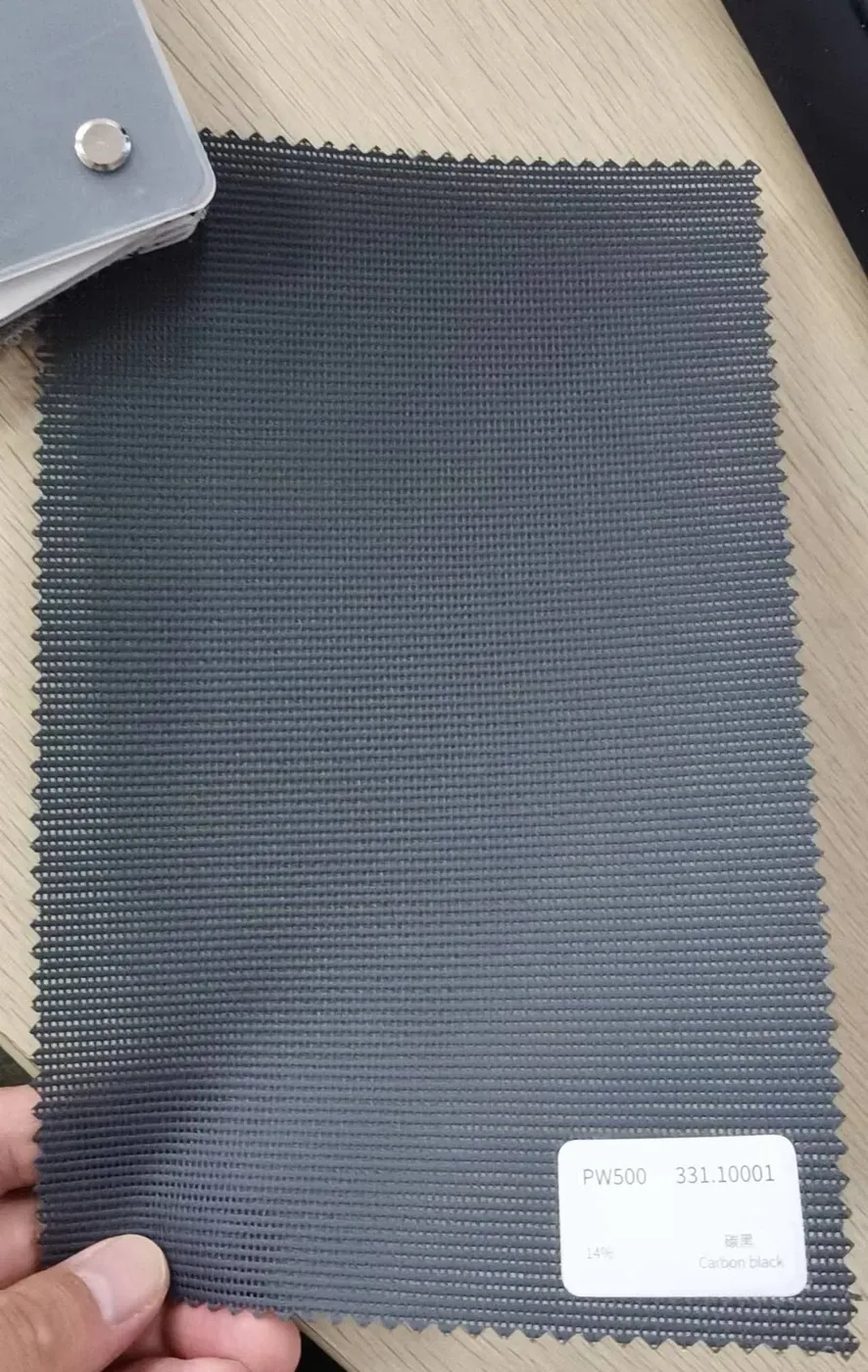
Fabric colour here is a behaviour choice and a procurement reference, not a cosmetic finish. At the same openness rate, darker yarns give a clearer view out and better glare control, while lighter colours reflect more solar heat. Across a multi-opening project, the eight-digit colour code, rather than the colour name, is the reference that holds the fabric to one specification when the order is repeated.
How Colour Changes How the Fabric Works
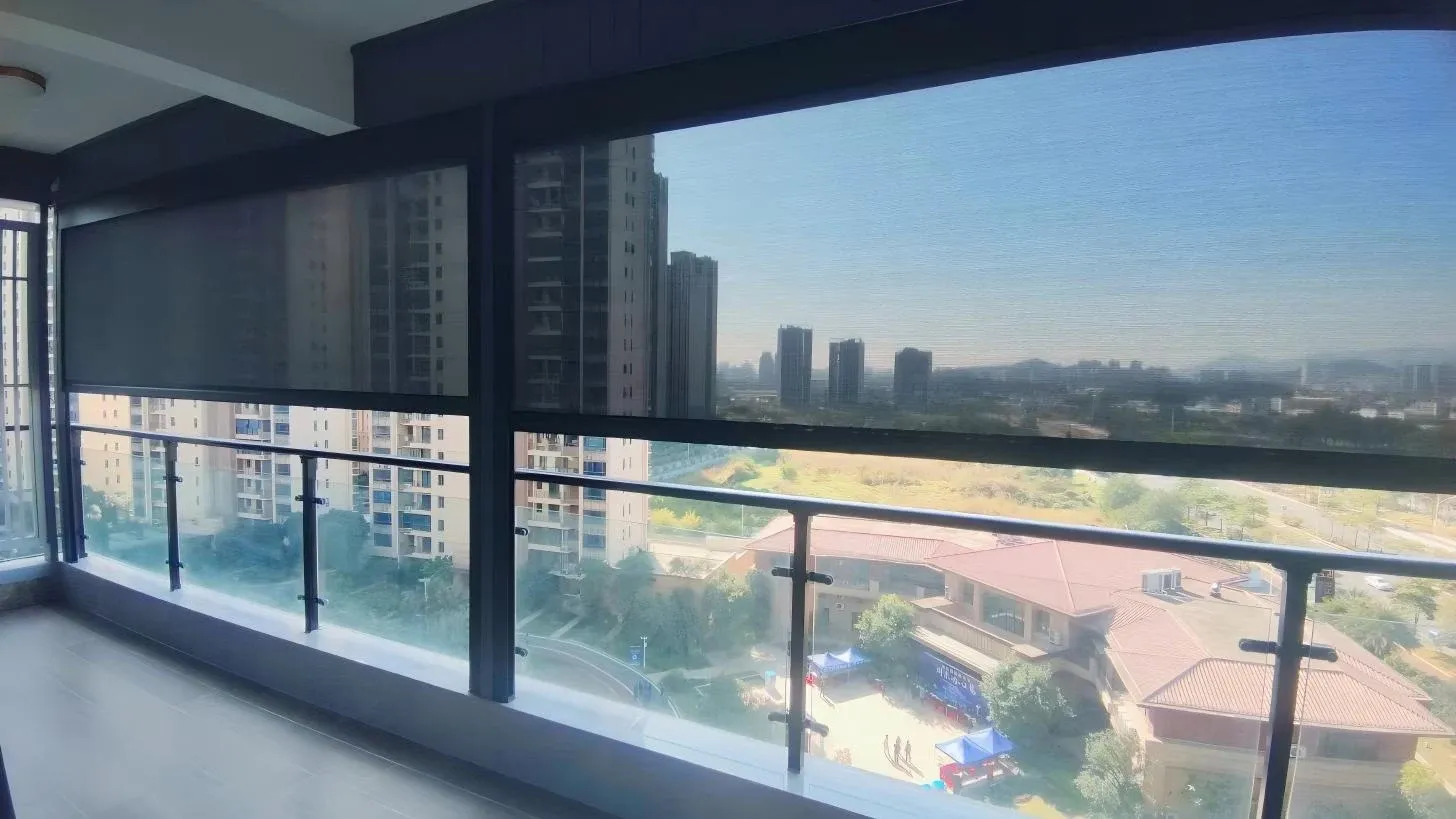
At the same openness rate, darker yarns such as 331.10001 carbon black absorb reflected light, which gives a clearer view out and better glare control. Lighter colours such as 331.10002 silver grey reflect more solar heat, keeping the space cooler, with a slightly brighter fabric surface. Those two behaviours are the working difference between a dark and a light fabric in this range, and they belong in the specification rather than in a final delivery check, because the choice changes how the opening performs from inside the room.
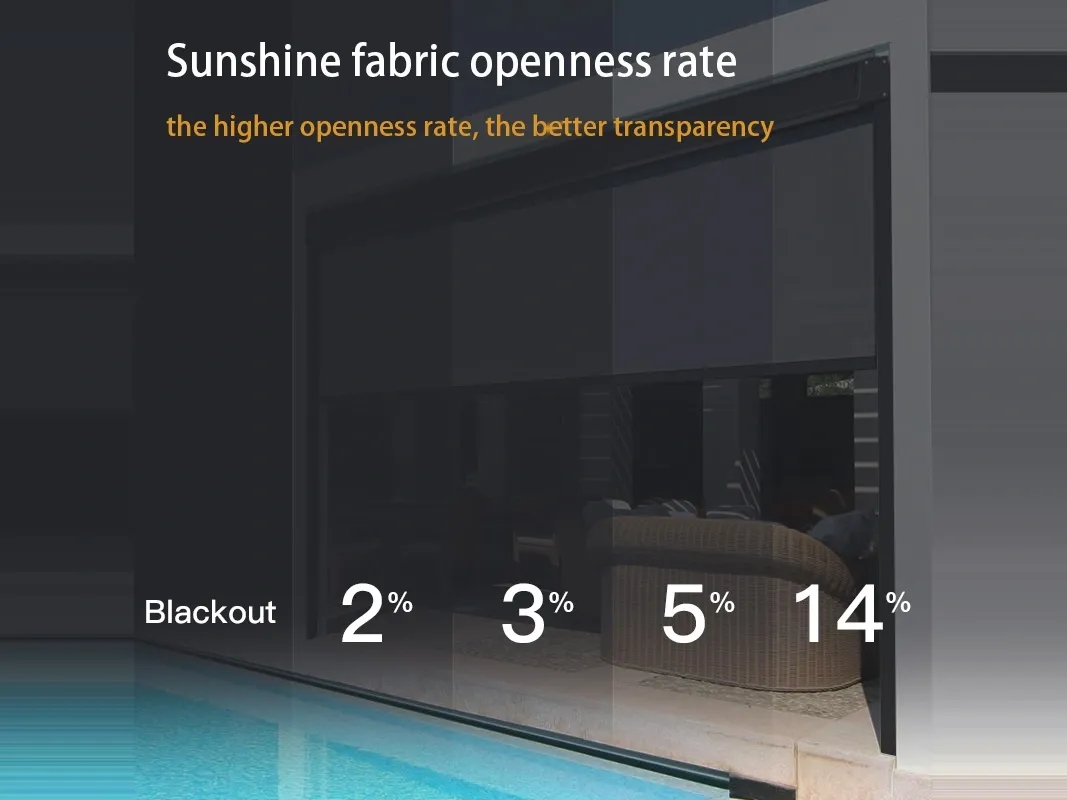
The comparison holds at a like-for-like openness rate; if the openness grade changes as well, both effects move together, and each grade brings its own balance of daylight, view and shade to the opening.
Yarn colour also decides how the fabric reads from outside. Darker fabrics read denser from outside and screen the inward view more during the day, while lighter fabrics keep the interior brighter. Two fabrics at the same openness rate can therefore present very differently to someone on the street, because dark and light yarns handle the light that lands on them differently. On a restaurant terrace, an outdoor venue or a row of balconies viewed from below, that outward reading is part of what the colour choice is for.
On a row of identical balconies, the colour chosen for each opening is what holds the elevation together. Where a project wants the facade to read as a single plane, applying one code across the openings is the practical way to hold that impression.
This is why the two decisions belong together. Colour and openness act on the same outcomes — view out, glare, daylight and the inward view — so treating colour as a final cosmetic step, after the openness grade has been fixed, can send a project back for a further sample round. The grades and their behaviour are set out in the openness rate guide; fix the grade first, then choose the colour that reads correctly from both sides of the fabric.
What the Eight-Digit Codes Mean
The range carries six fabric series across 24 colour codes, and each colour has an eight-digit code, for example 331.02006 or 331.10001. The code is what identifies the fabric when quoting, ordering and reordering, so always give the code rather than the colour name alone.
The series divide into screen and blackout groups. PW100, PW300, PW400 and PW500 are exterior screen fabrics, differing mainly in openness rate and core yarn. PW500 is the most open at around 14% and keeps the clearest view out; PW100 at around 3% gives the most daytime privacy of the screen options. PW200 and PW600 are blackout fabrics for full light block.
The two groups answer different questions. Screen fabrics keep a relationship with the outside — daylight, view and shade in some balance — while blackout fabrics close the opening down for full light block. Both are ordered the same way, by the eight-digit code, so a project can move between them without changing how the order is written.
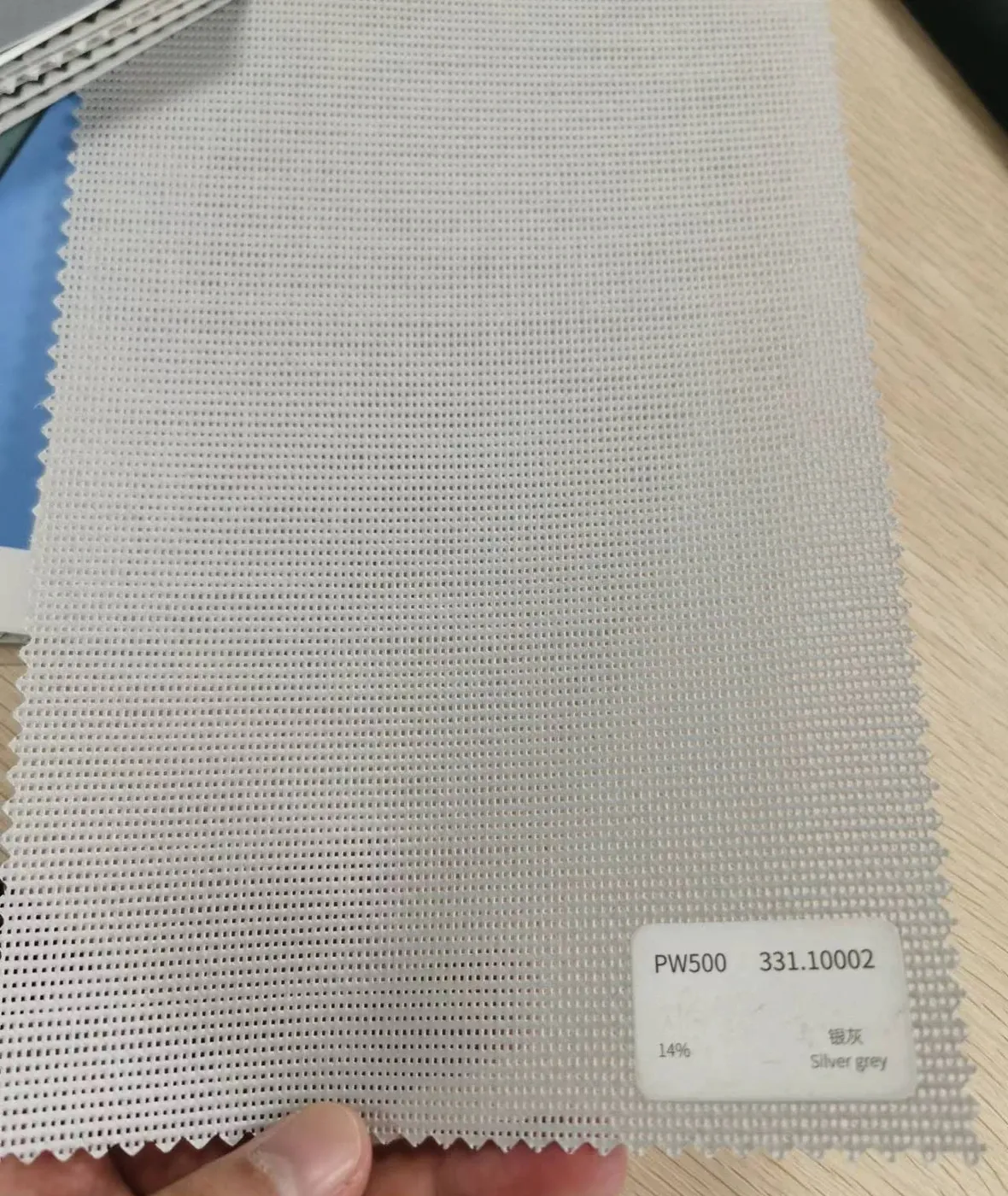
For a buyer, the practical point is that the code is a reference rather than a description. A colour name can be remembered differently by different people reading the same schedule; the eight digits cannot. Write the full code beside the opening it belongs to when a colour is quoted, check the code rather than the swatch when the order is confirmed, and use the code again when the same project needs a later top-up.
Every swatch is listed with its code on the colour card page, which also carries the 30-page colour card PDF. Moving from a visual reference to an orderable reference should not need a second enquiry.
Repeatable Colour Across Facades
A facade with many openings is one colour decision applied repeatedly, and the risk is drift: a run extended later, a panel replaced after damage, a further phase ordered from a schedule prepared by someone else. The defence is the same in every case — order by code, not by name.
That discipline pays off when a project runs in stages. Fabric referenced by code in the first order can be referenced the same way in a later one, whatever the schedule looks like by then. It is the practical reason to keep the code in the project file rather than in a message thread: a fitter returning to the site later, a spare panel ordered by a facilities team, and a later phase built by a different contractor all resolve to the same fabric only if the code was written down where the opening itself is described. The code also travels cleanly into confirmation: send the width and height of each opening, the preferred fabric transmittance and frame colour, and the configuration is confirmed against the same reference the colour was quoted from. How to prepare that information is set out in the ordering guide for windproof roller blinds.
Frame finishes are set per model rather than per fabric colour:
- ZT90, ZT110 and ZT150, and the two manual models, Hand Crank and Cordless Spring, come in white, coffee or dark grey.
- ZT170, ZT180 and the Double Layer model come in white, light grey, brown, dark grey or black.
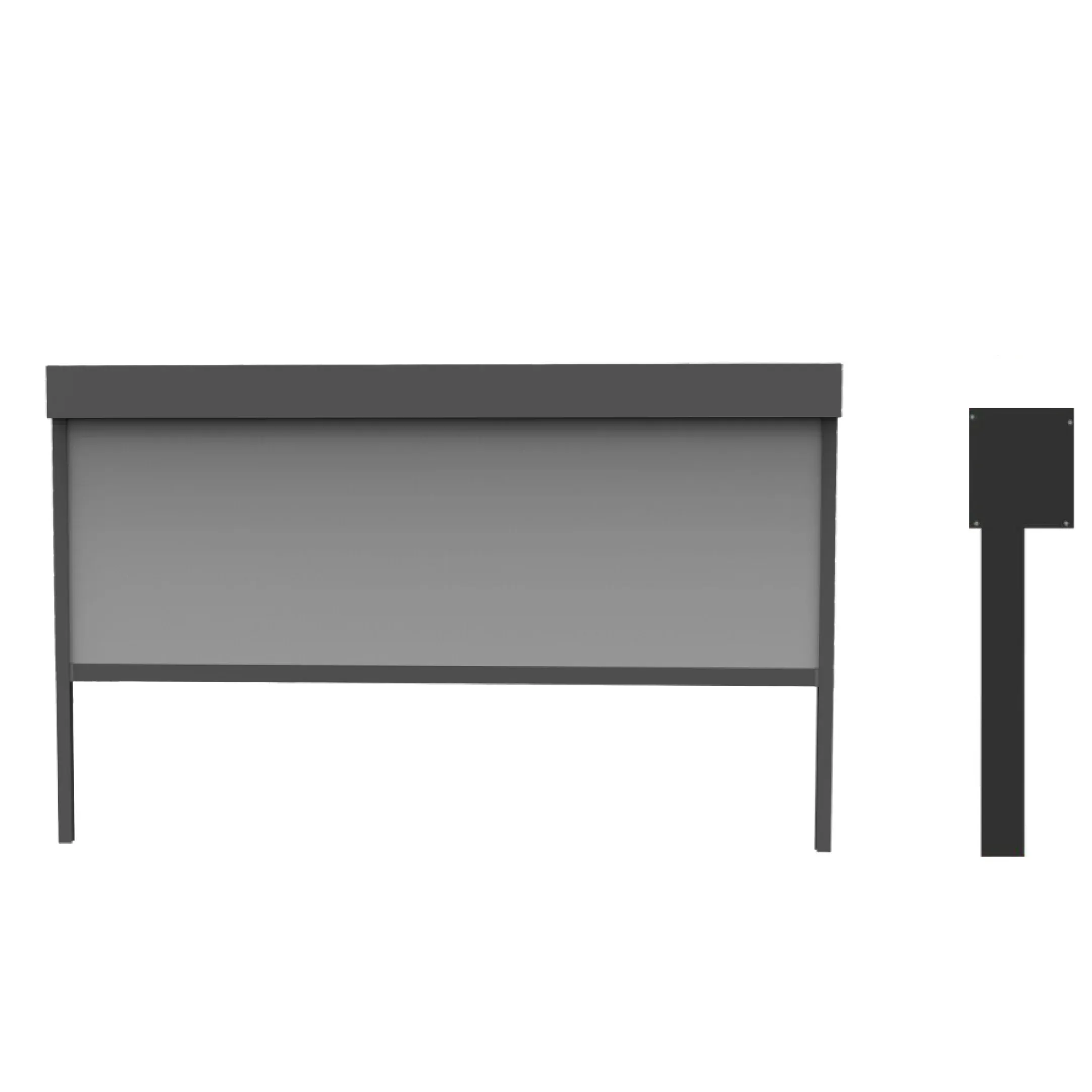
For the cassette, the usual guidance is to match the dark grey, white or coffee finish to the window frame or the facade. The wider finish palette belongs to the larger models, so where a facade mixes opening sizes, check the frame options for each model before the fabric colour is approved on the strength of a swatch alone. Model pages list the finishes per model, and the about-us page summarises how the line is specified.
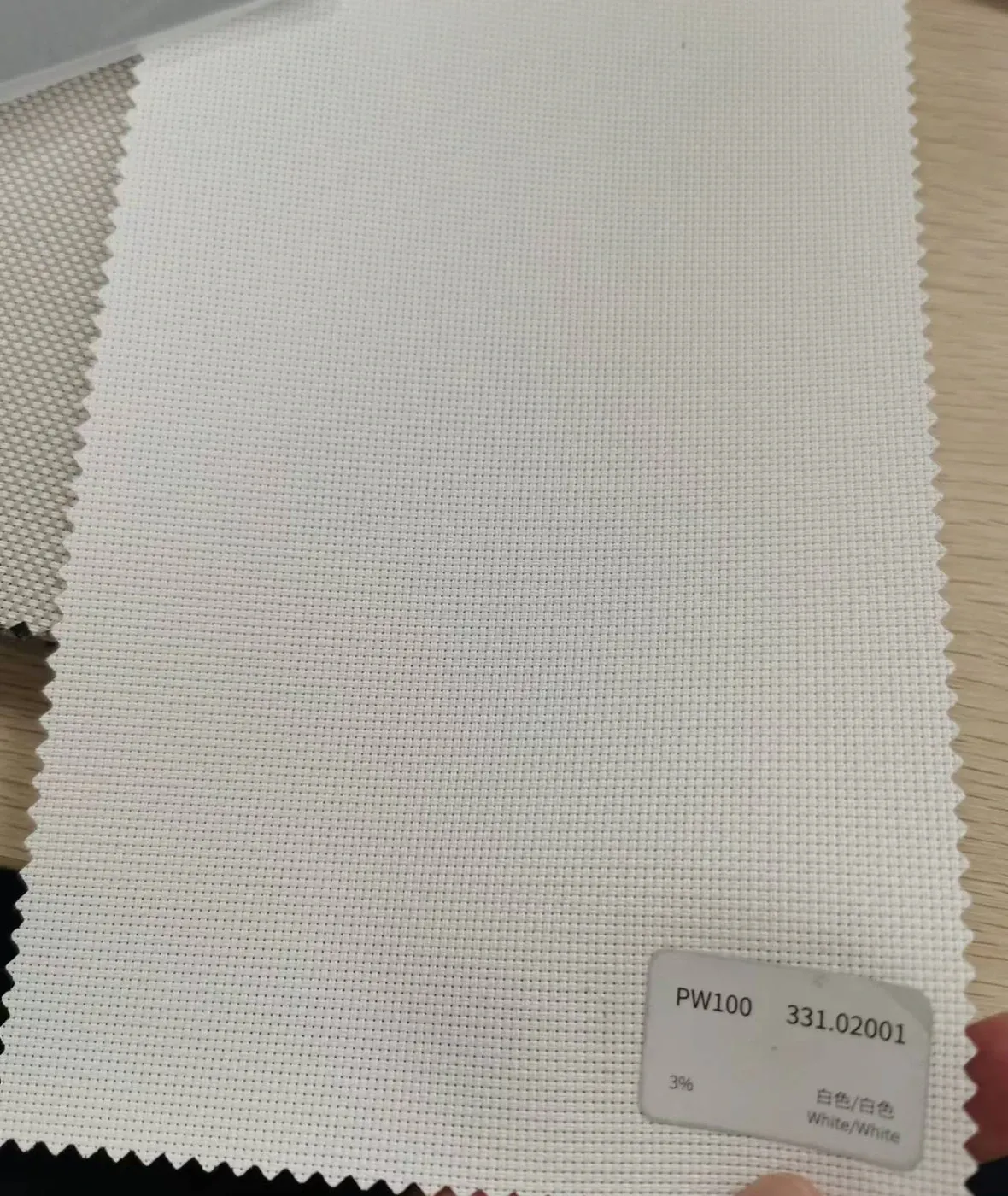
Above all, choose the fabric colour and the openness rate together. A colour approved in isolation leaves half the decision open, because the same grade reads differently in a dark yarn and a light one, and the client judges the finished facade on the combination rather than on either part separately.
What Sun Does to Colour Over Time
The fabric is documented at ISO 105 B02 Grade 8 for colour fastness, which is a light-fastness measure and a different scale from the wind grades. Even so, long exposure to direct sun will eventually cause gradual fading. How fast depends on daily solar intensity, the orientation of the opening and total hours of sun.
That boundary is worth stating at specification stage, because it explains why one facade can age unevenly. An elevation that takes hard direct sun for long periods accumulates more sun hours than a covered or shaded one, and the colour moves accordingly. The wind rating article covers the wind grades and their own scale; the light-fastness figure measures something different and should be quoted as such.
It follows that a replacement panel ordered much later arrives as the code specifies, while the original on the wall may have moved some distance from that reference. Where a client expects a new panel to match a weathered original exactly, set that expectation before the order is placed rather than after delivery. A useful brief names the fastness figure, the codes and the exposure the openings face, and accepts that sun exposure changes colour gradually over time. Where one elevation has to keep pace with another, record the exposure, the direction the opening faces and the direct sun it takes in a typical day; the code anchors the order, and the exposure note anchors the expectation.
Colour Choice FAQs
Why Give the Eight-Digit Code Instead of the Colour Name?
Because the code is what identifies the fabric when quoting, ordering and reordering. Six fabric series across 24 colour codes means a description by appearance can land on the wrong reference, while the eight digits, for example 331.10001 or 331.02006, cannot be read as anything else. Put the code in the schedule beside the opening it belongs to, and the order, the confirmation and any later top-up all draw on the same identifier.
Do Darker Colours Fade Faster?
Nothing in the fabric documentation ties fade rate to yarn colour. Long exposure to direct sun will eventually cause gradual fading, and how fast depends on daily solar intensity, the orientation of the opening and total hours of sun. A light yarn and a dark yarn in the same position sit under those same conditions, so the documentation points to exposure, not to shade. Choose colour for view, glare and heat behaviour, and set the expectation for sun exposure separately with the client.
Can I Match the Cassette to the Frame Finish?
Frame finishes are per model rather than per fabric colour. ZT90, ZT110 and ZT150, plus the two manual models, come in white, coffee or dark grey; ZT170, ZT180 and Double Layer come in white, light grey, brown, dark grey or black. For the cassette, the guidance is to match the dark grey, white or coffee finish to the window frame or the facade, letting the hardware sit back and the fabric colour carry the design.
How Can I Reorder the Same Shade?
Give the eight-digit code. It is the reference that links a reorder to the original fabric even when the first order was placed by someone else or under a different project name. Prepare the same information as a new order: the width and height of each opening, the preferred fabric transmittance, the frame colour and the fabric codes. The configuration can then be confirmed and quoted from that, and the ordering guide for windproof roller blinds covers the full sequence.
Where Can I See the Colours?
The 30-page colour card PDF is free to download from the colour card page and shows every swatch with its colour code. Where a physical reference is needed for a client approval or a finishes schedule, a swatch book can be ordered for a fee: email raymond@eziptrack.com with the codes under consideration and the opening sizes, and availability and cost will be confirmed. For most projects the PDF plus the codes moves a schedule forward, and the physical book matters most where colour is signed off in person.
Confirm Colours per Opening
Colour is easiest to confirm opening by opening, before the order is written. Send the width and height of each opening, the preferred fabric transmittance and frame colour, and our team will confirm the configuration and provide a quotation. If the fabric codes are already chosen, include them so the reply moves straight to confirmation; if the shade is still open, the colour card PDF and the codes are the quickest way to close that question.
Send your opening list through contact us or by email to raymond@eziptrack.com, and the confirmation and quotation come back against the codes you specify.
SEO Title: Outdoor Roller Blinds: Fabric Colour and Reordering Meta Description: Fabric colour for outdoor roller blinds changes the view out and heat behaviour. Reorder the same shade from the 24 colour codes with the eight-digit code. Slug:
roller-blind-fabric-colour-and-reordering